A well-functioning heating system is vital for comfortable living, particularly in regions where winter can be harsh. Regular maintenance not only enhances efficiency but also prolongs the life of your heating equipment. Whether you rely on a residential boiler, furnace, or heat pump, understanding how to maintain these systems year-round can save money and prevent unexpected breakdowns.
Understanding Your Heating System
Before diving into maintenance practices, it is essential to understand the different types of heating systems commonly found in homes. Residential boilers are favored for their efficiency and ability to provide consistent heat through hot water or steam. Furnaces, on the other hand, can use various fuel sources, such as gas, oil, or electricity to warm air. Heat pumps serve a dual purpose by both heating and cooling spaces.
Each type has its unique maintenance requirements. Familiarity with your system allows you to identify issues promptly and communicate effectively with your service provider affordable residential boiler company Minneapolis when necessary.
Importance of Seasonal Maintenance
Heating systems often endure significant stress during peak seasons. For instance, in Minneapolis winters where temperatures frequently plummet, your boiler works overtime to keep your home warm. Seasonal maintenance should ideally occur before the cold season begins — typically in early fall — to ensure everything runs smoothly when you need it most.
Regular maintenance checks help catch small problems before they escalate into costly repairs. A well-maintained system operates more efficiently, which translates into lower energy bills. Additionally, some manufacturers require proof of regular maintenance for warranty purposes.
Key Maintenance Practices
Adhering to a few key practices can significantly enhance the longevity and efficiency of your heating system throughout the year:
Regular Inspections: Schedule professional inspections at least once a year with qualified residential boiler contractors. During these inspections, technicians check for leaks, corrosion, and wear on critical components like valves and pumps.
Cleaning Components: Dust and debris accumulation can hinder performance. Regularly clean filters and vents; dirty filters restrict airflow and force systems to work harder than necessary.
Checking Thermostat Settings: Ensure your thermostat functions correctly by testing it regularly. Consider upgrading to a programmable thermostat that optimizes energy use by adjusting temperatures according to your schedule.
Flushing the Boiler: If you have a boiler system, flushing it annually removes sediment buildup that can lead to inefficiency and damage over time.
Bleeding Radiators: In hot water systems, trapped air in radiators can impede heat distribution. Bleed radiators as needed to maintain consistent warmth throughout your home.
Implementing these practices will go a long way toward ensuring reliable operation when you need it most.
Signs Your Heating System Needs Attention
Even with regular maintenance, issues can arise unexpectedly. Being aware of warning signs helps you act quickly before minor problems become major repairs:
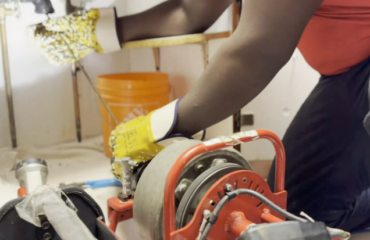
- Unusual Noises: Clanging or banging sounds from your boiler may indicate loose parts or sediment buildup. Inconsistent Heating: Cold spots in rooms signal potential airflow issues or problems within the heating unit itself. Unexplained Spikes in Energy Bills: A sudden increase in energy costs could mean inefficient operation due to neglect or malfunction. Foul Odors: Burning smells may indicate electrical issues or overheating components requiring immediate attention. Water Leaks: Any sign of leaking around pipes or radiators should prompt an immediate inspection by a professional service provider.
Being proactive about these symptoms minimizes risks associated with complete breakdowns during frigid months.
The Role of Professional Services
While many homeowners can handle routine tasks themselves — like changing filters or bleeding radiators — certain aspects require professional expertise. Engaging residential boiler services ensures that all technical elements are inspected thoroughly according to safety standards.
Finding a reliable boiler service provider involves doing some research beforehand:
Look for verified reviews from past clients. Confirm licenses and insurance coverage. Ask about experience with specific brands or models similar to yours. Get estimates upfront; transparency about costs prevents surprises later. Establish rapport with technicians who prioritize clear communication regarding repairs needed now versus those that may arise later down the line.In Minneapolis specifically, choosing local experts familiar with regional weather conditions ensures tailored solutions that suit your home's needs effectively.
Preparing for Emergencies
Heating failures often occur at the worst possible times—like during the coldest night of winter—when you least expect it but need warmth urgently instead! Preparing for emergencies helps mitigate discomfort when things go awry:
- Have contact information readily available for emergency repair services operating 24/7. Keep basic tools handy (like wrenches) for minor adjustments if you're comfortable tackling small fixes yourself. Store extra blankets and warm clothing nearby—comfort essentials make waiting easier while professionals arrive!
By taking precautionary measures ahead of time—before winter strikes—you'll feel more secure knowing support is just a call away if trouble arises unexpectedly later on!
Energy Efficiency Considerations
Energy efficiency not only reduces costs but also lessens environmental impact—a significant consideration today as homeowners aim towards sustainable living practices! Upgrading older systems often yields substantial improvements; look out for ENERGY STAR ratings when selecting new boilers or furnaces—they meet strict guidelines set forth by EPA initiatives aimed at conserving energy resources nationwide!
Additionally:
- Regularly review utility bills each month so patterns emerge; this will help identify anomalies tied directly back into usage trends over time! Optimize insulation within walls/ceilings/floors because proper sealing keeps heated air retained inside longer rather than escaping outdoors unnecessarily!
Simple changes yield substantial benefits—increased comfort alongside reduced expenses!
Conclusion
Maintaining your home’s heating system year-round involves understanding its mechanics while implementing best practices tailored specifically towards prolonging lifespan & improving overall efficiency! Scheduling seasonal inspections enhances reliability greatly during frigid conditions typical here in Minneapolis where winters bring extreme temperature fluctuations frequently!
Embrace proactive approaches through regular upkeep while remaining vigilant against warning signals indicating potential issues arise along way—and never hesitate seeking assistance from experienced professionals whenever necessary! By prioritizing care & awareness across all levels—from basic tasks like cleaning filters right up through engaging knowledgeable service providers—you’ll enjoy consistent warmth throughout chilly months ahead without unwelcome surprises lurking around corner awaiting discovery unexpectedly!